Loumarc Signs had 30 years of craft and a brand that no longer matched the work. I helped define what came next.
Loumarc Signs had grown into a custom sign company serving larger clients, but its identity still looked like an earlier version of the business. The work, service, and customers had changed. The brand had not.
We needed to understand what 30 years had built, where the company wanted to go, and what its best customers already valued. The business goal was to attract a new generation of buyers and support year over year revenue growth. A new logo alone would not do that.

I started with the owner. We talked through the business goals, how we would measure progress, and how much of the company the work needed to touch.
Then I brought a group of stakeholders into the boardroom with a whiteboard, a Keynote workbook, notes, and markers. The group mixed people who had helped build Loumarc with people who could see it with fresh eyes.
The workshop covered three parts:
We mapped the audience, competitors, purpose, and differences that mattered. The work showed us who Loumarc was for, why customers chose it, and which parts of the company should not change.
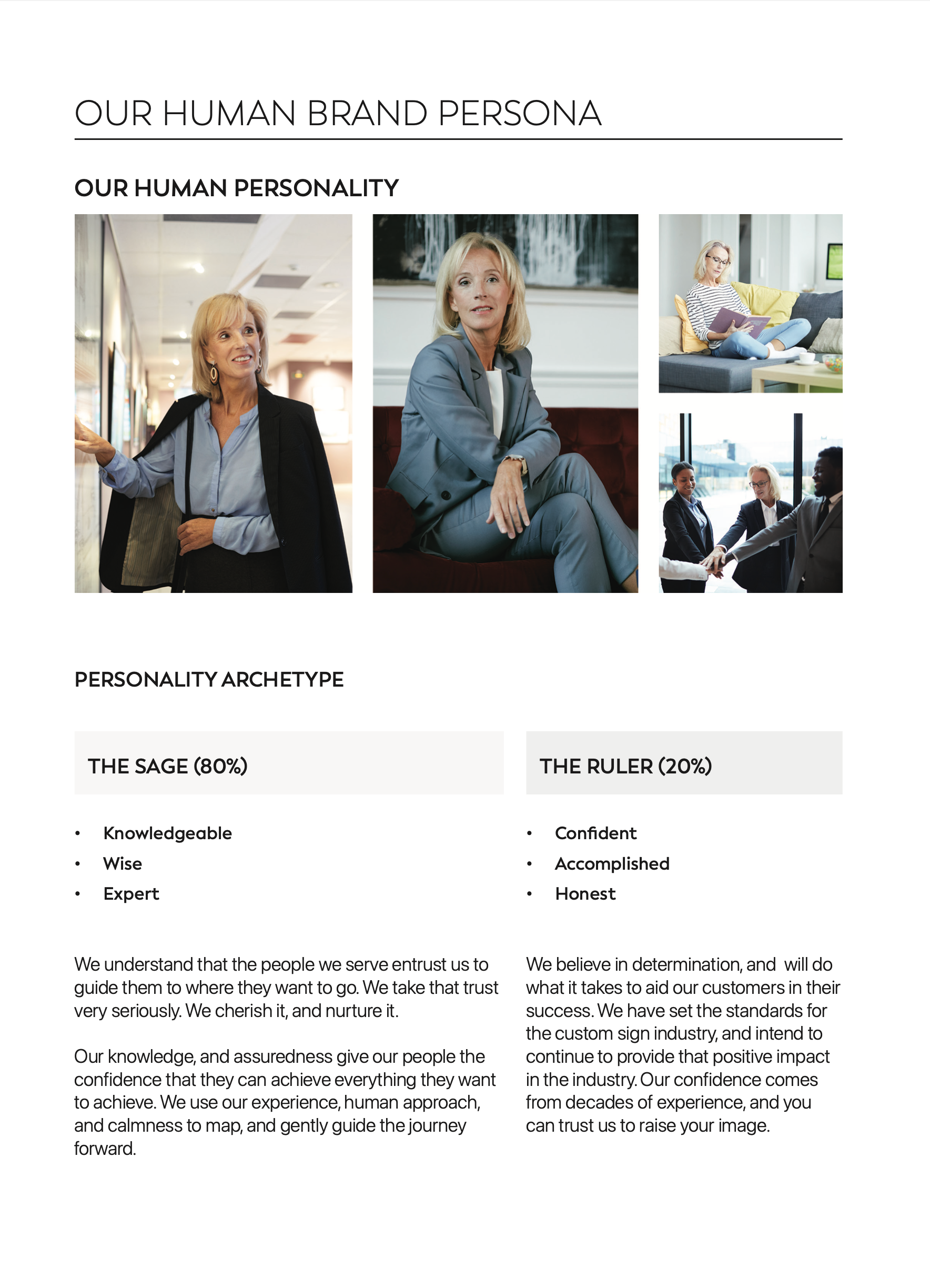
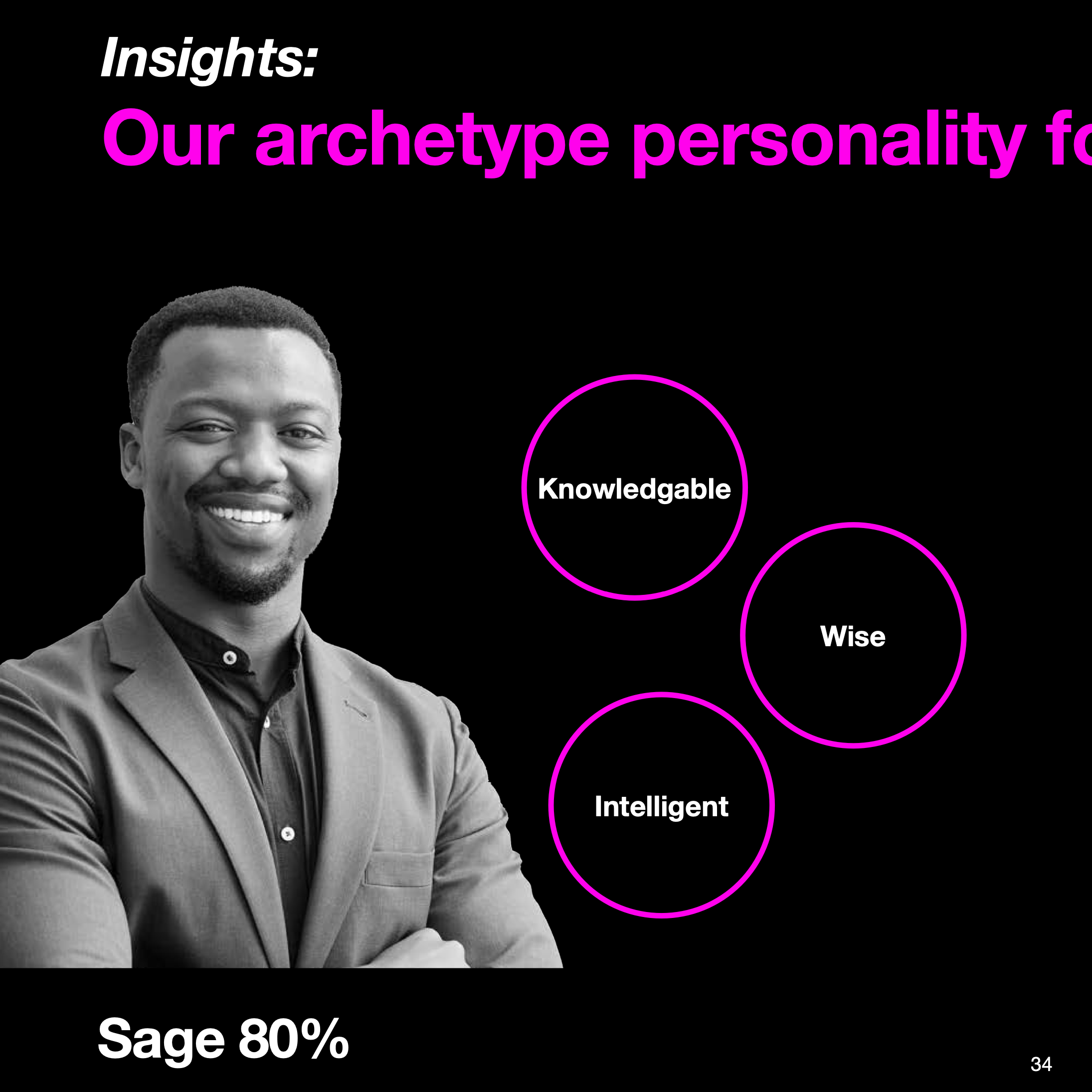
Brand substance and position gave the internal team a shared way to make decisions. Brand expression turned that foundation into a persona, voice, tone, story, and visual direction for customers to see.
I condensed the workshop into a brand strategy summary. It gave the team and the logo designers one brief to judge the work against.
I found logo designers whose work fit the direction, then led the development of a new mark and wordmark for Loumarc Signs.
After weeks of sketches, critiques, and revisions, we narrowed the work to four options. Each paired a mark with a custom wordmark. We also studied type and color with the client so every option worked as a complete identity, not an isolated logo.
I brought the workshop group back together. Before showing any new work, I reviewed the brief, the limits of the old identity, and the qualities that make a logo useful.
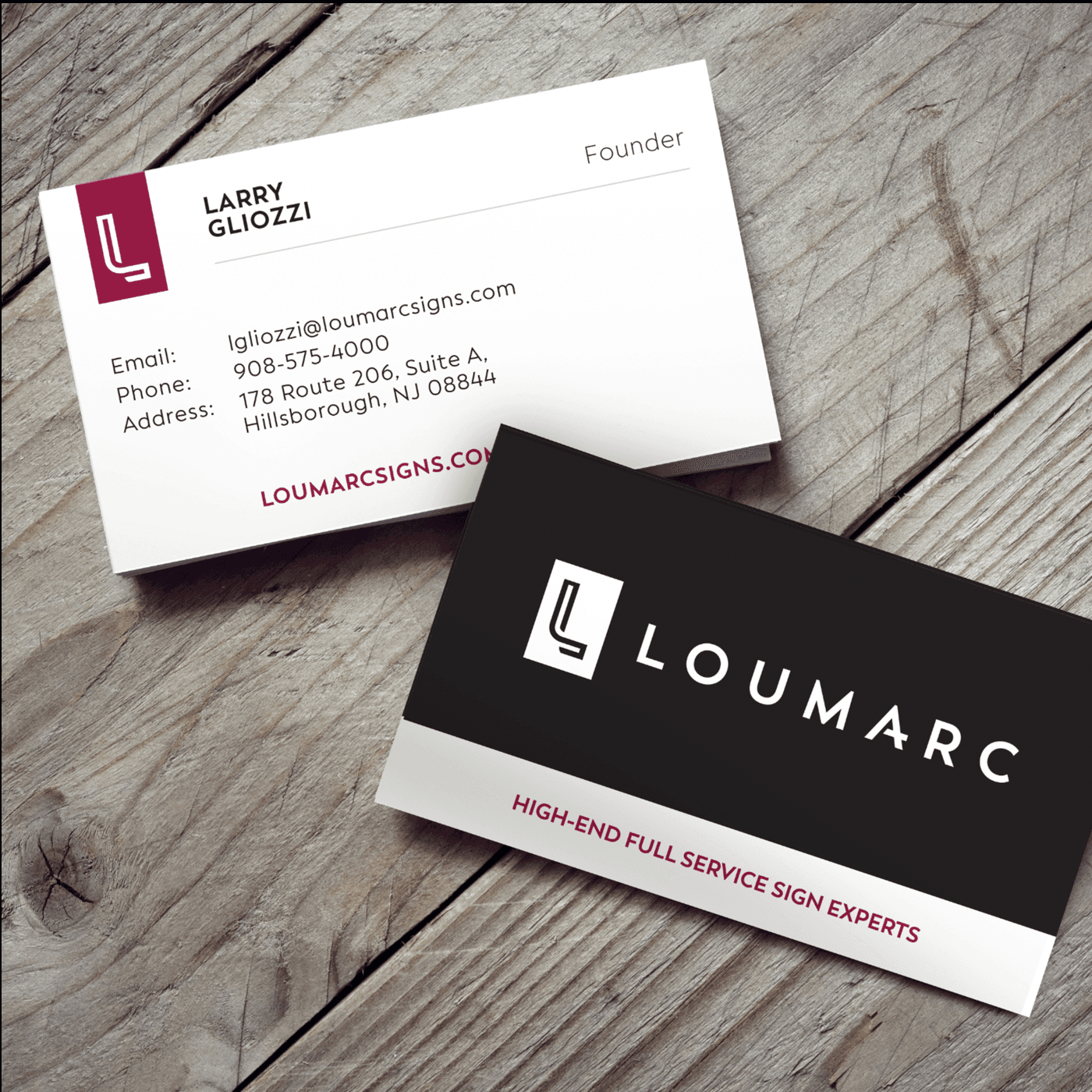
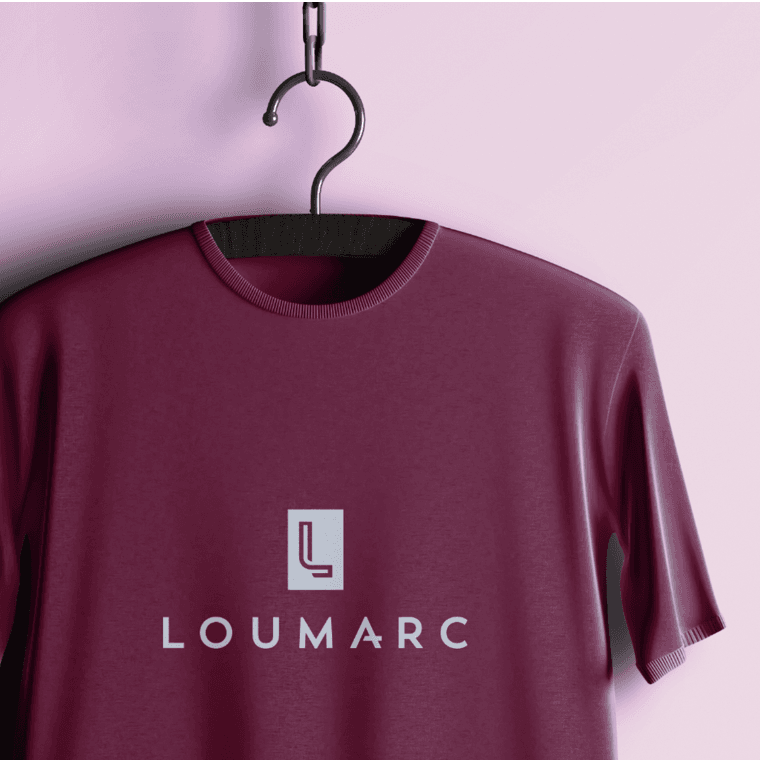
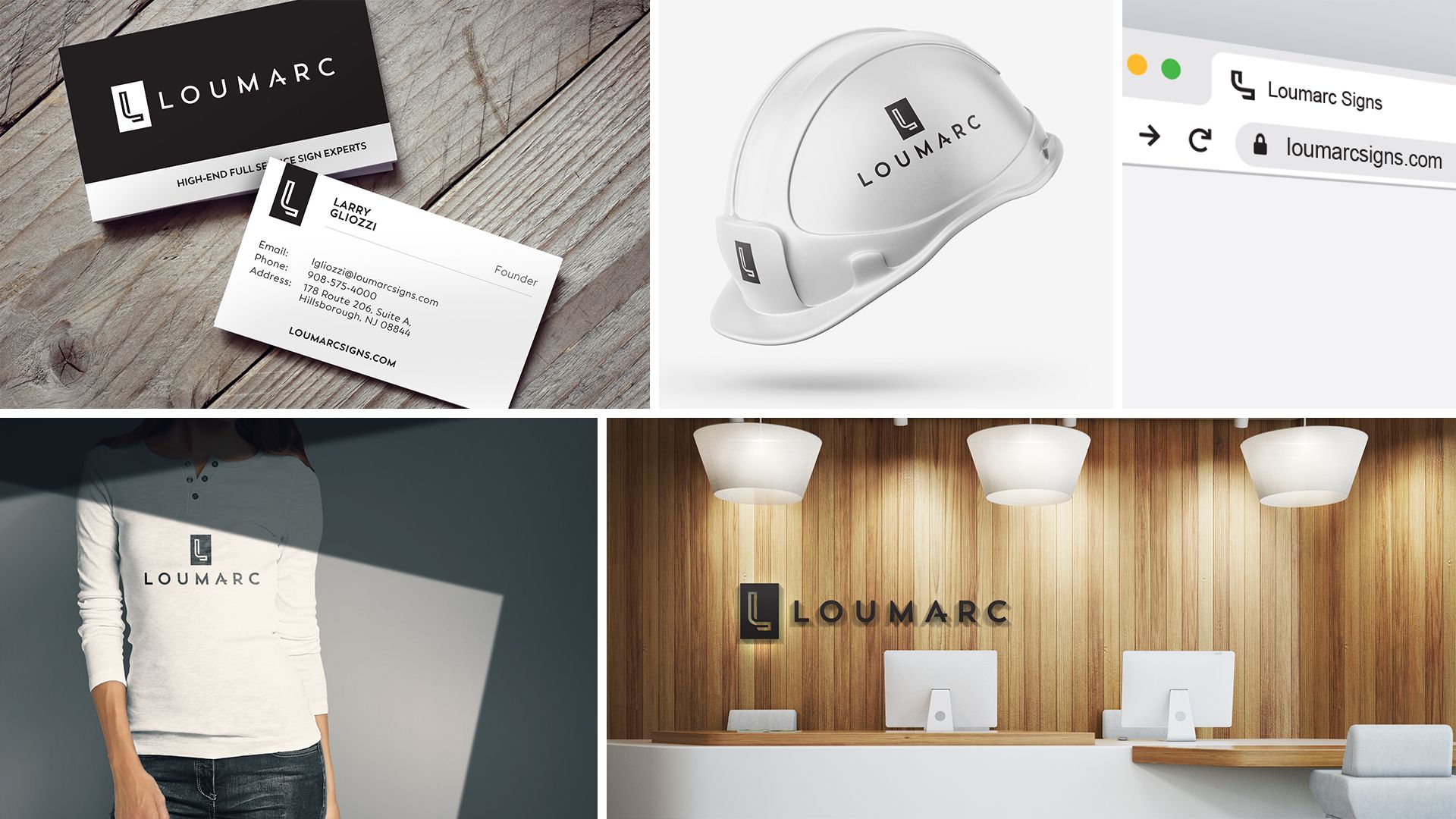
I presented every option in black and white, in several variations, and in the places where customers would see it. The mockups made the tradeoffs easier to discuss than a logo floating on a slide.
My job was to explain the strengths of each direction without choosing for the room. The stakeholders asked questions, debated the options, and reached a shared decision.
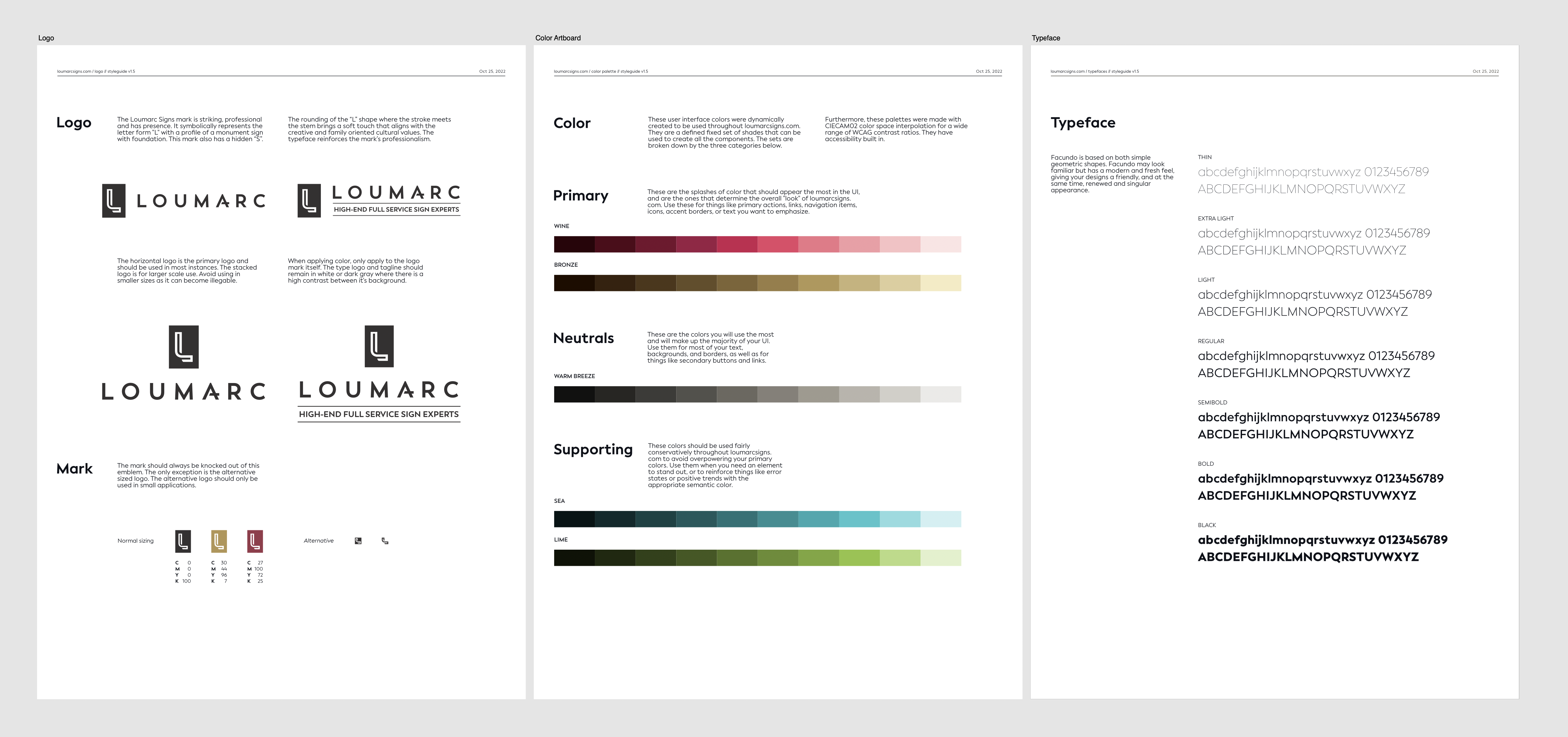
I built the brand guide while the identity took shape. It turned the workshop into a system for decisions across the company, from purpose, vision, values, and mission to voice, tone, and marketing.
Then we put that system to work:
Over six months, we moved from workshop notes to a working identity, website, content system, and updated online presence.
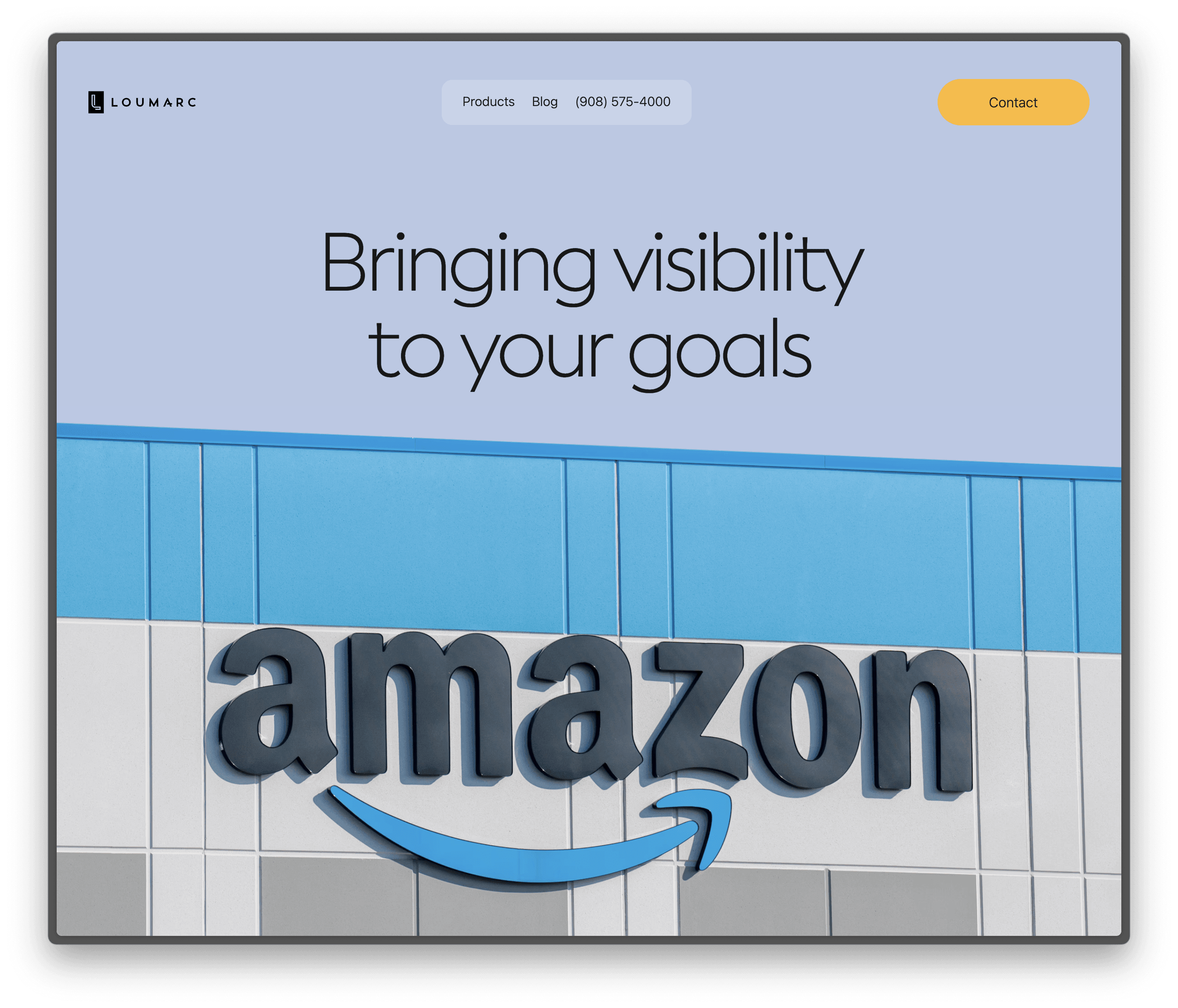
The new websitebrought in more leads and better fit leads. The identity also helped Loumarc attract the larger clients and projects it wanted.
Loumarc now had one system that connected business decisions, visual design, writing, and publishing. The brand finally reflected the craft that had been there for 30 years.
Availability, partnerships, and questions.
I have limited availability for consulting. Learn how I can sharpen your SaaS brand and product, or send me a note below.